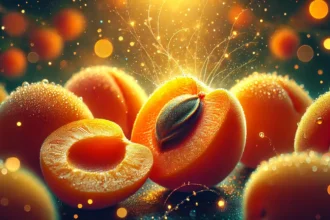



Jam in a dream often points to something sweet, concentrated, preserved, or sticky in your waking life. It can symbolize pleasure, memory, emotional residue, effort that has been saved for later, or a situation that is pleasant but hard to move through.
Because jam is made from fruit and sugar, it may also connect to reward, patience, comfort, and the way you “bottle up” feelings or experiences. The meaning depends on the jam’s condition, color, container, taste, and what you do with it in the dream.
Jam is not a fixed sign of luck, love, illness, or money. Treat it as a symbolic dream item that reflects how you are handling sweetness, attachment, delay, or emotional stickiness in a specific area of life.
Jam Dream Examples
- You spread bright strawberry jam on warm toast and feel calm, satisfied, and ready to start the day.
- You open a jar of jam and find mold on top, making you feel disappointed or slightly disgusted.
- You see many unopened jars of different jams on a shelf but cannot decide which one to choose.
- You share jam with a friend, partner, coworker, or stranger, and the mood feels either warm or awkward.
- You find a forgotten jar of jam in an old kitchen, pantry, school bag, or childhood home.
- You try to clean spilled jam from your hands, clothes, floor, or table, but it keeps sticking.
Jam Dream Meaning: Good or Bad?
The condition of the jam is one of the clearest clues. Fresh, bright, tasty jam often suggests emotional satisfaction, useful memories, or a reward that feels ready to enjoy. Spoiled, sour, leaking, or dirty jam may point to a pleasant thing that has gone stale, been delayed too long, or become emotionally messy.
Your agency matters too. If you choose, spread, cook, gift, or store jam, the dream may show you managing comfort, resources, or emotional meaning with some control. If jam traps you, stains you, spills everywhere, or appears without explanation, it may show a situation that feels sticky, excessive, or hard to contain.
Relationships and social context can shift the meaning. Sharing jam may suggest warmth, generosity, negotiation, or wanting a sweeter exchange, while hiding or refusing jam may point to hesitation around closeness, pleasure, or trust. Overall, a jam dream is good or bad depending on whether the sweetness feels nourishing, controlled, and welcome, or sticky, spoiled, and overwhelming.
Positive Interpretation
If you dream of spreading bright jam on toast, the dream may reflect simple satisfaction. The cause is the smooth action and pleasant taste, and the effect is a feeling of readiness or comfort. This can suggest that a small pleasure, routine, or completed effort is helping you feel grounded.
If you see many unopened jars of jam and feel curious rather than stressed, the dream may point to stored potential. Each jar can symbolize a choice, memory, idea, or reward that is available but not yet used. The positive meaning grows when the jars are clean, labeled, and easy to reach.
If you share jam with someone and the interaction feels warm, the dream may show emotional generosity. The cause is offering something sweet and prepared, and the effect is connection or cooperation. This does not have to be romantic. It may relate to friendship, teamwork, hospitality, or simply wanting a softer tone in a relationship.
If you find a forgotten jar of jam in a kitchen or pantry and it is still good, the dream may suggest rediscovering something valuable from the past. A preserved item can point to memory, skill, or comfort that remains useful. In simple terms, your inner cupboard may have better stock than you thought.
Negative Interpretation
If you open a jar and find mold, the dream may point to disappointment after delay. Something once sweet may no longer feel healthy, useful, or emotionally fresh. This can apply to an old plan, habit, expectation, or memory, but the dream alone is not proof that anything in waking life is truly ruined.
If you are surrounded by many jam jars and cannot choose, the dream may show decision fatigue. The sweetness of the options does not remove the pressure of selecting one. This meaning is stronger if you feel rushed, judged, or worried about wasting the jars.
If shared jam feels awkward, forced, or messy, the dream may point to a social exchange that looks kind on the surface but feels uncomfortable underneath. The jam may represent favors, compliments, emotional labor, or expectations. Still, the evidence is weak if the dream gives no clear emotional reaction or relationship clue.
If spilled jam sticks to your hands, clothes, or floor, the dream may suggest a pleasant situation has become inconvenient. Enjoyment may have turned into obligation, cleanup, or a lingering concern. This can be about emotional residue rather than an actual problem, especially if the rest of the dream is ordinary.
Different Cultures, Different Meanings
Modern food symbolism: Jam is often understood through everyday associations rather than one stable folklore meaning. Because it is sweet, preserved, and spreadable, it can represent comfort, stored effort, memory, or emotional attachment.
Household and family context: In some personal or family backgrounds, homemade jam may connect with care, tradition, seasonal work, or a specific person who made food for others. This meaning depends strongly on your own memories, not on a universal rule.
Hospitality and sharing: In many settings, offering sweet food can suggest welcome or friendliness. In a dream, sharing jam may symbolize social warmth, but it may also show obligation if the mood feels forced.
Personal taste and diet context: If you love jam, avoid sugar, make preserves, work with food, or recently ate jam, the dream may be more literal. Recent exposure can shape dream content without carrying a deep symbolic message.
Psychological Perspectives
From a symbolic or psychodynamic view, jam may represent pleasure that has been condensed and preserved. Freud is often linked with the idea that dreams can express wishes or emotional tensions in symbolic form, while Jung is associated with images that carry personal and collective meaning. For jam, the strongest reading is usually personal: what sweetness, preservation, stickiness, or spoilage means to you.
From a cognitive or emotional-processing view, the dream may be your mind sorting feelings around reward, memory, choice, or attachment. Jam combines fruit, sugar, texture, container, and taste, so it can gather several emotional cues into one image. A clean jar may feel organized, while sticky spills may match mental clutter or unfinished emotional tasks.
From the continuity hypothesis, dreams often reflect waking concerns in symbolic or distorted form. A jam dream may continue themes of comfort, food, planning, storage, social exchange, or mess. From a threat-simulation angle, spoiled jam, broken jars, or sticky traps may let your mind rehearse mild problems such as waste, contamination, embarrassment, or loss of control.
Jam Symbol Variations & Context Cues
- Condition: Fresh jam may suggest usable comfort or reward, while moldy, sour, dry, or leaking jam may point to delay, disappointment, or emotional residue.
- Color or material: Red jam may connect with strong feeling or appetite, purple with richness or depth, orange with warmth or energy, and clear jars with visibility or honesty.
- Number or scale: One jar may point to a specific issue, while shelves of jam can suggest many options, stored memories, abundance, or pressure to choose.
- Movement or behavior: Spreading jam can show applying comfort or meaning, cooking jam can show processing experience, and spilling jam can show excess or loss of control.
- Hidden, found, or lost: Hidden jam may suggest private pleasure or guarded feelings, found jam may point to rediscovery, and lost jam may show missed enjoyment or forgotten value.
- Location or social setting: Jam in a kitchen may relate to daily care, in a shop to choice or value, at work to social exchange, and in an unfamiliar place to uncertainty about comfort.
Related Symbols & Common Combinations
- Bread: Jam with bread often highlights nourishment, routine, support, and how you add sweetness or meaning to ordinary life.
- Fruit: Fruit with jam can point to natural growth, ripeness, desire, or turning raw experience into something preserved and usable.
- Jar: A jar emphasizes containment, boundaries, storage, secrecy, or whether feelings and resources are safely held.
- Sugar: Sugar can intensify themes of pleasure, reward, temptation, comfort, or too much sweetness in a situation.
What You Should Do If You Dream About Jam
Start with the condition of the jam. Ask whether it was fresh, spoiled, sealed, leaking, thick, watery, homemade, or store-bought. Fresh jam may point to something ready to enjoy, while spoiled jam may suggest that a delayed plan, old habit, or remembered feeling needs a new look.
Notice the color and material. Red strawberry jam may feel different from dark berry jam, orange marmalade, or pale jelly. Also consider the jar, spoon, knife, toast, table, or stain. These details can show whether the dream is about emotion, routine, containment, choice, or cleanup.
Look at number and scale. A single jar may focus attention on one relationship, memory, decision, or comfort. A full pantry of jam may suggest abundance, options, preparation, or the burden of having too many choices. A giant jar may show that a small issue feels oversized.
Pay attention to your interaction. Eating jam, spreading it, making it, gifting it, hiding it, dropping it, or washing it off are different actions. Your role shows whether you are receiving comfort, creating meaning, sharing resources, avoiding sweetness, or trying to remove emotional stickiness.
Finally, connect the location and social setting. Jam in your kitchen may relate to private habits or daily care, while jam at work, school, a market, or someone else’s home may bring in social expectations. Ask who was present and whether the mood felt warm, pressured, awkward, or calm.
Jam Vs Similar Dreams
| Aspect | Jam | Honey | Butter | Fruit |
|---|---|---|---|---|
| Occasion/Age or Context | Often appears in kitchens, breakfasts, pantries, gifts, spills, or preserved food scenes. | Often appears in natural, healing, tea, sweetness, or sticky scenes. | Often appears with bread, cooking, comfort food, warmth, or smoothing actions. | Often appears in gardens, markets, trees, bowls, harvests, or eating scenes. |
| Core Theme | Preserved sweetness, emotional residue, stored reward, and sticky attachment. | Natural sweetness, patience, attraction, value, or slow-moving comfort. | Ease, softness, richness, support, or making something more pleasant. | Growth, ripeness, appetite, potential, timing, and natural results. |
| Typical Emotions | Comfort, nostalgia, choice pressure, satisfaction, disgust, or frustration if sticky. | Warmth, desire, calm, indulgence, or irritation if too sticky. | Comfort, ease, guilt, pleasure, or concern about excess. | Freshness, temptation, abundance, impatience, disappointment, or delight. |
| Common Symbols | Jar, spoon, toast, stain, pantry, mold, red or purple color. | Bees, hive, spoon, tea, golden color, dripping texture. | Bread, knife, pan, melting, yellow color, breakfast table. | Tree, seed, peel, basket, juice, ripeness, harvest. |
More in this category: Food dreams.
Sources & Further Reading
- NINDS Brain Basics: Understanding Sleep Sleep science
- APA Dictionary of Psychology: Dream Analysis Psychology reference
- Dreaming and the Brain: From Phenomenology to Neurophysiology Research
- Sleep and Dreaming Are for Important Matters Research
- Sleep Foundation: Dreams Editorial background
- Sleep Health Foundation: Dreaming Sleep science