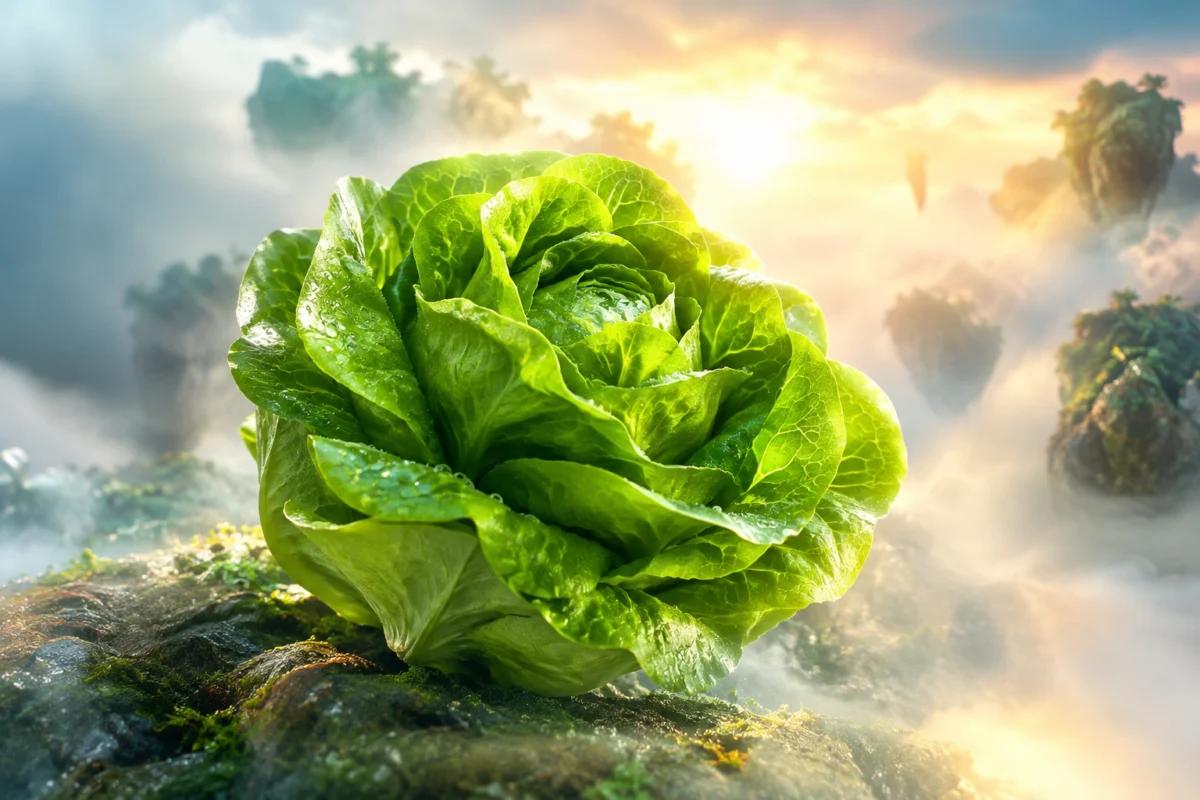



Lettuce in a dream may symbolize ordinary nourishment, freshness, simplicity, or something that needs care. Its meaning depends on what you see and do, not on a universal code.
A crisp leaf may feel different from wilted lettuce, and a small serving may suggest something different from an overwhelming pile. Your feelings and the dream’s setting help shape the interpretation.
Treat lettuce as a symbolic prompt, not a prediction, diagnosis, or fixed message. A dream can reflect recent experiences, personal associations, or concerns without revealing a certain future.
Lettuce Dream Examples
- You pick fresh lettuce from a garden and feel pleased. The scene may connect freshness or effort with a simple sense of satisfaction.
- You open a refrigerator and find slimy, forgotten lettuce. This may reflect concern about neglect, waste, or something that no longer feels useful.
- You see a single lettuce leaf floating in a bowl of water but do not touch it. The image may feel unresolved, with its meaning shaped by your reaction.
- You share a salad with a friend who serves you the crispest leaves. The exchange may bring attention to generosity, attention, or your expectations in that relationship.
- You find lettuce growing between stones on a city pavement. This unusual setting may connect an idea of growth with a place you experience as busy or restrictive.
- You carefully wash and chop a large head of lettuce for a meal. The action may suggest preparation, choice, or turning a basic resource into something ready to use.
Lettuce Dream Meaning: Good or Bad?
The lettuce’s condition offers a useful starting point. Fresh, clean leaves may feel encouraging, while spoiled or damaged lettuce may bring up concerns about waste or care. Neither condition has a fixed meaning outside the dream.
Your agency matters too. Choosing, planting, washing, or sharing lettuce can make the dream feel active. Watching it wilt or searching for it may leave you with a different impression. Consider whether your actions changed the scene.
Social context can add another layer. Lettuce served among friends may relate to sharing, while lettuce left untouched at a crowded table may highlight distance or discomfort. Overall, lettuce is neither inherently good nor bad; the dream’s details and your response matter most.
Positive Interpretation
If you pick fresh lettuce from a garden and feel pleased, as in the first example, the dream may connect effort with visible results. Because you take part in gathering something fresh, the scene can suggest satisfaction with a manageable task or a resource you have tended.
If you share crisp salad with a friend, the exchange may bring attention to mutual care. When the other person offers you a good portion, the dream may reflect an experience of being included or considered. It does not prove what that person thinks; your feelings in the scene are the more relevant clue.
If you discover lettuce growing through pavement, the contrast between the plant and its setting may make resilience or possibility stand out. The image can suggest that you notice growth in a place where you did not expect it. Whether that feels hopeful or simply strange depends on your response.
If you wash and chop lettuce for a meal, the dream may give importance to preparation. Because you move from an unprepared ingredient toward a usable dish, the action can echo organizing a practical plan or getting a small job ready for its next step.
Negative Interpretation
Slimy lettuce forgotten in a refrigerator may bring up neglect, waste, or disappointment. If you feel frustrated while finding it, the scene could echo a task or resource that you meant to use but left unattended. One image alone is weak evidence of a larger problem, so consider whether anything in waking life actually fits.
A single leaf floating in water may feel disconnected or uncertain, especially if you watch without acting. That response may resemble hesitation or difficulty deciding what matters in a situation. The leaf itself does not establish that you are isolated or unable to act; the dream may simply be unusual.
A large pile of lettuce that you cannot finish may suggest excess or pressure if the quantity feels burdensome. If it looks appealing or useful instead, the same abundance could feel positive. The emotional tone and what you can do with the pile are more informative than size alone.
If you cannot find lettuce where you expect it, the scene may connect with frustration about access, choice, or a disrupted routine. This interpretation is tentative unless the dream’s search feels important to you. Missing lettuce is not evidence that you will lose something in waking life.
Different Cultures, Different Meanings
There is no single stable cultural tradition that assigns one universal dream meaning to lettuce. In modern symbolic and personal-context readings, familiar foods may bring up ideas such as eating, freshness, household routines, or preferences. Your own associations matter more than a broad cultural claim.
In a food or gardening context, lettuce may remind you of preparing a meal, growing produce, shopping, or tending a garden. These everyday links can be more relevant than symbolic interpretations if they were part of your recent experience. Consider what lettuce means in your own routine before applying a general reading.
Psychological Perspectives
A symbolic or psychodynamic reading treats lettuce as an image whose meaning depends on personal associations. You might connect it with food preparation, a garden, a meal, or a particular memory. This approach can help you explore what the symbol brings to mind, but it does not establish a hidden meaning or diagnosis.
From a cognitive or emotional-processing perspective, a dream may combine recent sights, routines, feelings, and concerns. Lettuce could appear because you bought it, ate it, saw it in a recipe, or simply encountered it in passing. Notice the mood of the dream and whether the lettuce resembles anything currently on your mind.
The continuity hypothesis proposes that some dream content carries over from waking interests and experiences. A lettuce dream might therefore reflect a recent meal, gardening activity, or decision about food. A threat-simulation view is less clearly relevant unless the dream includes danger or conflict; lettuce by itself does not signal a threat.
Lettuce Symbol Variations & Context Cues
- Condition: Crisp, clean lettuce may feel fresh or usable; wilted, dirty, or spoiled leaves may bring up waste or concern. Your reaction can change the reading.
- Color and material: Bright green leaves may emphasize freshness or growth, while pale, brown, or artificial-looking lettuce may draw attention to age, damage, or appearance. Color is a cue, not a fixed code.
- Number and scale: One leaf, one head, or a great quantity may create different impressions. Ask whether the amount felt sufficient, scarce, excessive, or simply ordinary.
- Movement and behavior: Lettuce that grows, falls apart, floats, or is chopped gives the dream a different action. Notice what changes and whether you cause the change.
- Hidden, found, or lost: Finding lettuce in an unexpected place can make discovery central; losing it or finding it hidden may bring attention to access, memory, or uncertainty.
- Location and social setting: A garden, kitchen, shop, restaurant, or shared table each gives the image a different context. Who is present, and does the place feel familiar or uncomfortable?
Related Symbols & Common Combinations
- Salad: A mixed dish can add themes of combination, choice, or sharing to the lettuce image.
- Garden: Lettuce growing in a garden can connect the symbol with tending, patience, or visible change.
- Vegetables: A group of vegetables may shift attention from one food to variety, preparation, or everyday nourishment.
- Refrigerator: Lettuce stored or forgotten in a refrigerator can make preservation, access, or neglect part of the scene.
What You Should Do If You Dream About Lettuce
Start with condition. Write down whether the lettuce looked fresh, damaged, dirty, or spoiled, and what you felt when you noticed it. This keeps your interpretation tied to the actual dream rather than to a general symbol list.
Notice color and material. Was the lettuce a natural-looking plant, a packaged product, or something artificial? Record any color that stood out, but avoid treating a particular shade as a universal message.
Consider number and scale. Ask whether the quantity seemed useful, inadequate, or overwhelming. A single leaf and a huge pile create different scenes, but the meaning depends on the role each amount played.
Recall your interaction with the lettuce. Did you grow it, choose it, wash it, eat it, share it, or leave it behind? Your actions can show which part of the scene held your attention and whether you felt able to affect it.
Finally, note the location and other people. A kitchen, garden, shop, or shared meal may connect the dream to different routines or relationships. If a recent event comes to mind, treat it as a possible association, not proof that the dream predicts an outcome.
Lettuce Vs Similar Dreams
| Aspect | Lettuce | Similar 1: Salad | Similar 2: Cabbage | Similar 3: Spinach |
|---|---|---|---|---|
| Occasion/Age or Context | Often appears in everyday food, garden, or shopping scenes. | Often appears as a prepared meal or shared dish. | May appear as a whole vegetable in a meal or market setting. | May appear as a leafy ingredient in cooking or shopping. |
| Core Theme | Freshness, simple nourishment, or care, depending on condition. | Combination, choice, or sharing, depending on ingredients and company. | A compact food item, with personal meaning shaped by use and setting. | A leafy food image, shaped by preparation and personal associations. |
| Typical Emotions | Satisfaction, indifference, concern, or uncertainty. | Enjoyment, social ease, dislike, or indecision. | Curiosity, practicality, dislike, or familiarity. | Interest, neutrality, preference, or reluctance. |
| Common Symbols | Leaves, garden, refrigerator, meal, or table. | Bowl, dressing, ingredients, or shared meal. | Market, kitchen, leaves, or food preparation. | Leaves, cooking, recipe, or shopping. |
More in this category: Food dreams.
Sources & Further Reading
- NINDS Brain Basics: Understanding Sleep Sleep science
- APA Dictionary of Psychology: Dream Analysis Psychology reference
- Dreaming and the Brain: From Phenomenology to Neurophysiology Research
- Sleep and Dreaming Are for Important Matters Research
- Sleep Foundation: Dreams Editorial background
- Sleep Health Foundation: Dreaming Sleep science