

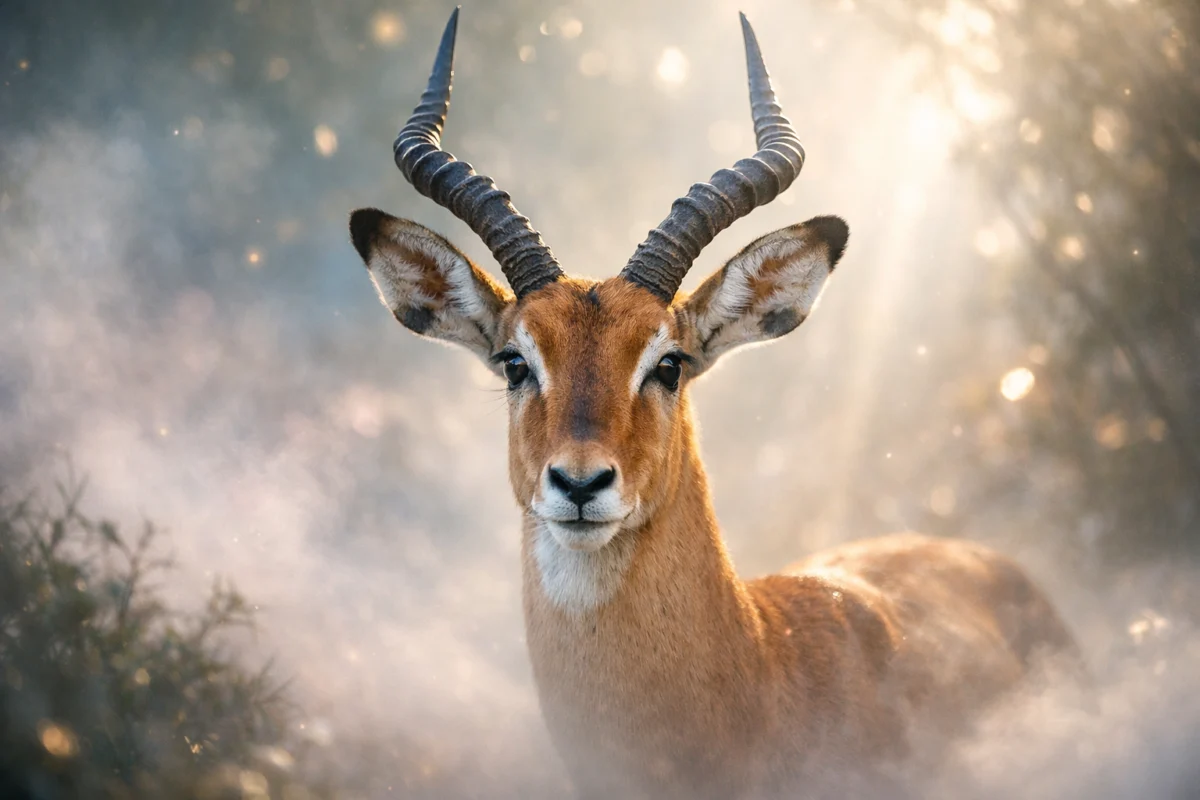
An Impala in a dream often symbolizes alertness, graceful movement, quick choices, and the need to respond well to changing conditions. Because an impala is fast, sensitive, and social, it can point to how you move through pressure, opportunity, or group dynamics.
This dream symbol is not a fixed prediction. It does not mean you will literally travel, escape danger, or meet a specific person. It is better read as a reusable symbol for agility, instinct, vulnerability, timing, and social awareness.
The meaning depends on concrete dream cues: whether the impala is calm or chased, alone or in a herd, healthy or injured, wild or trapped, close to you or far away. In short, the impala shows how you may be handling freedom, fear, speed, and belonging.
Impala Dream Examples
- You see a healthy impala running freely across open grassland under bright sunlight, and you feel calm or inspired.
- An impala is being chased by a predator, and you feel anxious because it cannot find a safe path.
- You watch a single impala standing still at the edge of a road, unsure whether it will cross.
- You walk beside an impala that seems to trust you, while other people nearby keep their distance.
- You find an injured impala inside a city street, parking lot, or building where it does not seem to belong.
- You try to catch an impala, but it leaps away every time you get close, almost as if your timing is slightly off.
Impala Dream Meaning: Good or Bad?
An Impala dream is usually shaped by the animal’s condition. A strong, healthy, alert impala may suggest readiness, grace under pressure, and an ability to move with life instead of fighting every change. A weak, trapped, or injured impala may point to tired instincts, reduced confidence, or a part of you that feels exposed.
Your agency matters. If you guide, protect, observe, or move with the impala, the dream may show active awareness and flexible decision-making. If you chase, lose, trap, or cannot help it, the dream may reflect pressure, poor timing, or difficulty respecting your own pace.
Relationships and social context also matter because impalas are often imagined as herd animals. A herd can suggest belonging, shared alertness, or group movement, while a lone impala may show independence, isolation, or the need to decide without much support. Overall, an Impala dream is good or bad depending on whether the dream shows freedom and responsive movement, or fear and loss of control.
Positive Interpretation
If you dream of a healthy impala running freely across open grassland, the positive meaning may be that you are entering a period where movement feels easier. The open setting gives the impala space, and that space can symbolize options. Because the animal can run without being blocked, the dream may reflect confidence, momentum, or the ability to choose your next step without feeling cornered.
If you walk beside an impala that trusts you, the dream may point to a healthy relationship with your instincts. You are not forcing the animal, and it is not running from you. Cause and effect matter here: gentle interaction leads to closeness. This can suggest that patience, calm attention, and respect for timing are helping you connect with your own sensitivity or with someone else’s cautious nature.
If you see an impala pause at the edge of a road but it does not panic, the dream may show careful judgment. The road can symbolize transition, risk, or a choice that must be timed well. The impala’s stillness is not weakness in this case. It may mean you are learning that waiting for the right opening is smarter than leaping into traffic, which is also good advice outside dreams.
If several impalas move together in a calm herd, the positive meaning may involve teamwork, shared awareness, or finding your rhythm in a group. The herd does not remove individuality, but it can provide protection and orientation. This dream may appear when you are learning to cooperate without losing your own direction.
Negative Interpretation
If an impala is being chased by a predator, the dream may reflect stress, avoidance, or feeling pressured to react before you are ready. The predator does not have to represent a literal person. It may symbolize a deadline, conflict, fear, habit, or demand that seems to push you into survival mode. If the dream gives no clear predator or reason for the chase, the evidence is weaker, so the meaning may simply be general anxiety rather than a specific threat.
If you find an injured impala in a city street or building, the contrast between animal and setting is important. An impala belongs more naturally in open space, so an urban or enclosed location may suggest that a free, sensitive, or instinctive part of you feels out of place. The injury can point to reduced energy, awkward conditions, or a mismatch between your pace and your environment.
If you try to catch an impala and it keeps leaping away, the negative meaning may involve control. The more you chase it, the farther it gets. This can reflect a goal, feeling, opportunity, or relationship that does not respond well to pressure. The dream may be asking whether effort is helping, or whether a softer approach would lead to better timing.
If a lone impala looks frightened, hidden, or separated from a herd, the dream may suggest social uncertainty or vulnerability. This does not automatically mean rejection or danger. It may simply show that you are handling something without enough support, or that you need more quiet space before rejoining others.
Different Cultures, Different Meanings
Modern animal symbolism: In contemporary dream interpretation, the impala is often read through its visible traits: speed, alertness, grace, and herd movement. This is a symbolic reading, not a fixed tradition, and your personal experience with the animal matters more than a general meaning.
Wildlife and nature context: If you know impalas from documentaries, travel, conservation work, or personal encounters, the dream may borrow from that context. For example, a safari scene may emphasize observation, distance, or respect for wildness rather than personal fear.
Automotive association: For some dreamers, “Impala” may refer to a Chevrolet Impala car rather than the animal. In that case, the symbol may shift toward travel, memory, status, family history, or control of direction. The dream’s visuals decide which meaning fits.
Personal naming and memory: If Impala is connected to a place, team name, object, brand, or personal story in your life, that association may be stronger than any animal symbolism. Dream meaning often starts with what the symbol means to you.
Psychological Perspectives
From a symbolic or psychodynamic view, an impala may represent a sensitive, instinctive part of you that reacts quickly to danger and opportunity. Freud focused heavily on hidden wishes and emotional conflict, while Jung looked at dream animals as meaningful images from the deeper psyche. In a Jungian-style reading, the impala can appear as an image of natural intelligence, grace, and the fragile balance between freedom and safety.
From a cognitive or emotional-processing view, the impala may be your mind organizing recent feelings about speed, pressure, uncertainty, or social movement. Dreams often combine memory fragments with emotion. If your waking life involves fast decisions, shifting plans, or needing to stay alert, an impala can become a simple image for that mental state.
From the continuity hypothesis, dreams often continue waking concerns in symbolic form. From threat-simulation theory, associated with Antti Revonsuo, a chased impala may rehearse danger, escape, and response. This does not mean danger is coming. It may mean your mind is practicing how to notice risk, choose a path, or regain safety.
Impala Symbol Variations & Context Cues
- Condition: A healthy impala can suggest vitality, readiness, and confidence. An injured, starving, trapped, or exhausted impala may point to depleted energy, blocked instincts, or a situation that does not support your natural pace.
- Color or material: A natural brown impala may feel grounded and realistic. A white, black, golden, painted, statue-like, or toy impala may add themes of purity, mystery, value, artificiality, memory, or emotional distance, depending on the scene.
- Number and scale: One impala may highlight independence or vulnerability. A herd may suggest community, shared movement, or social pressure. A giant impala may make instinct and speed feel powerful, while a tiny one may show something delicate or overlooked.
- Movement and behavior: Running, leaping, grazing, hiding, staring, following, or fleeing all change the message. Calm movement often points to flow. Panic movement may point to stress. Stillness may show caution, waiting, or awareness.
- Hidden, found, or lost: A hidden impala may suggest instincts you have not fully noticed. A found impala can symbolize rediscovering freedom or sensitivity. A lost impala may point to uncertainty about direction, belonging, or timing.
- Location and social setting: Grassland suggests openness and natural movement. A cage, room, office, school, city, or road may show restriction, transition, social rules, or a mismatch between your inner pace and outer demands.
Related Symbols & Common Combinations
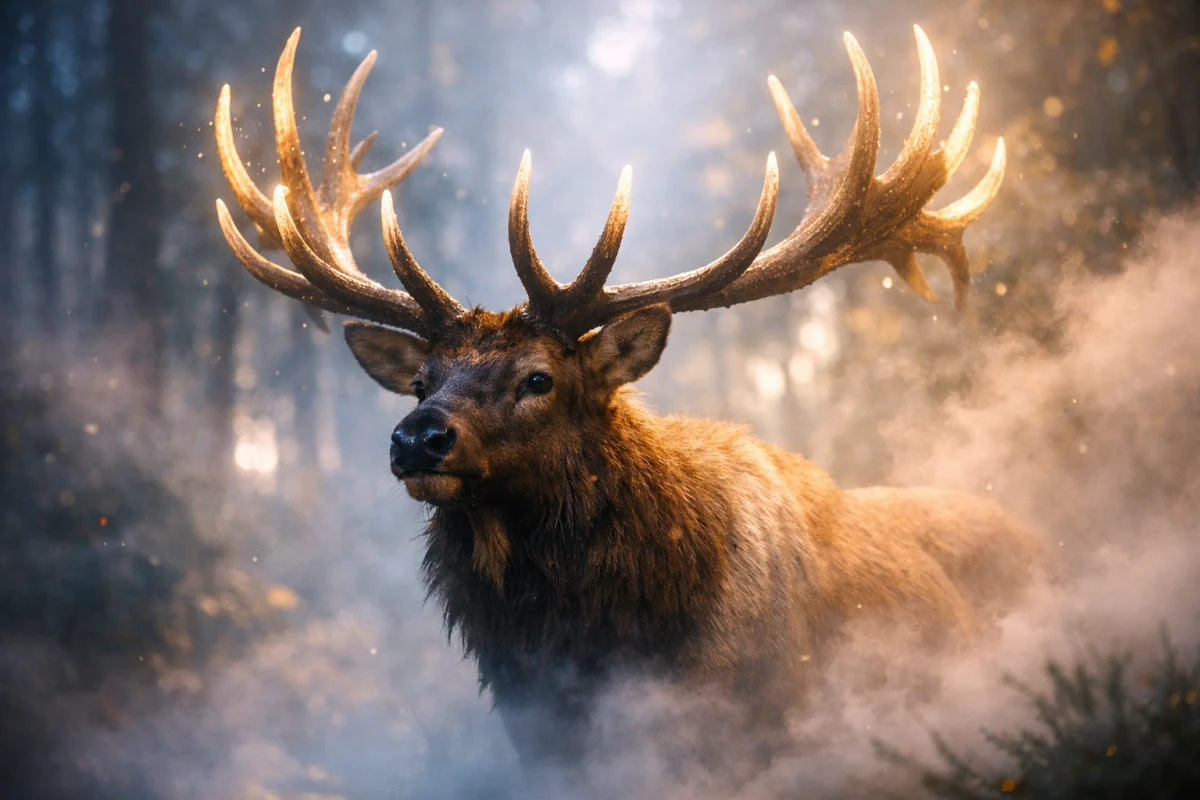
- Deer: A deer dream often shares themes of sensitivity, gentleness, and alertness, but it may feel softer or more emotionally vulnerable than an impala.
- Gazelle: A gazelle can emphasize beauty, speed, and escape, making it a close match when the dream focuses on agility or being chased.
- Lion: A lion with an impala can create a predator and prey pattern, often pointing to pressure, fear, dominance, courage, or survival response.
- Car: If the word Impala connects to a vehicle, a car dream may reveal themes of direction, control, progress, and how you navigate life choices.
What You Should Do If You Dream About Impala
Start with the impala’s condition. Ask whether it was strong, weak, injured, calm, or frightened. This helps you identify whether the dream is showing available energy or strained energy. A healthy impala may invite you to use your momentum, while an injured one may suggest you should notice where your natural pace is being limited.
Next, consider color or material. A realistic impala may connect to everyday instinct and movement. An unusual color, statue, toy, or image of an impala may show that the symbol is filtered through memory, imagination, or distance. Instead of forcing a meaning, ask what the detail made you feel.
Look at number and scale. One impala can ask you to think about independence, isolation, or a personal decision. A herd can ask how you are moving with others. A very large or very small impala can show whether the theme feels overwhelming or easy to miss.
Notice your interaction with the impala. Were you protecting it, chasing it, riding near it, watching it, feeding it, or running with it? Your role shows your relationship to instinct. If you were forcing the interaction, the dream may ask for patience. If the impala approached you calmly, the dream may suggest trust and readiness.
Finally, study the location and social context. An impala in open land may point to freedom and natural timing. An impala in a house, office, school, road, or crowd may suggest that your instinctive side is trying to function inside rules, expectations, or transitions. Use the setting to identify where in waking life you may need more space, better timing, or clearer support.
Impala Vs Similar Dreams
| Aspect | Impala | Deer | Gazelle | Car |
|---|---|---|---|---|
| Occasion/Age or Context | Often appears in dreams about movement, alertness, social belonging, or quick decisions. | Often appears in gentle, emotional, forest, family, or vulnerability-related settings. | Often appears in open landscapes, pursuit scenes, beauty-focused dreams, or escape themes. | Often appears when the dream focuses on travel, control, direction, adulthood, or progress. |
| Core Theme | Agility, instinct, timing, social awareness, and freedom under pressure. | Sensitivity, gentleness, caution, and emotional openness. | Speed, elegance, survival, and fast response to danger or opportunity. | Navigation, autonomy, ambition, pace, and how you steer life choices. |
| Typical Emotions | Alert, inspired, anxious, graceful, watchful, or uncertain. | Tender, protective, shy, peaceful, or easily startled. | Excited, tense, amazed, pressured, or focused on escape. | Confident, lost, rushed, blocked, independent, or out of control. |
| Common Symbols | Grassland, herd, predator, leap, road, fence, open space. | Forest, antlers, fawn, snow, quiet path, watching eyes. | Desert, chase, leap, sunlight, open field, predator. | Road, steering wheel, speed, passengers, crash, traffic, destination. |