

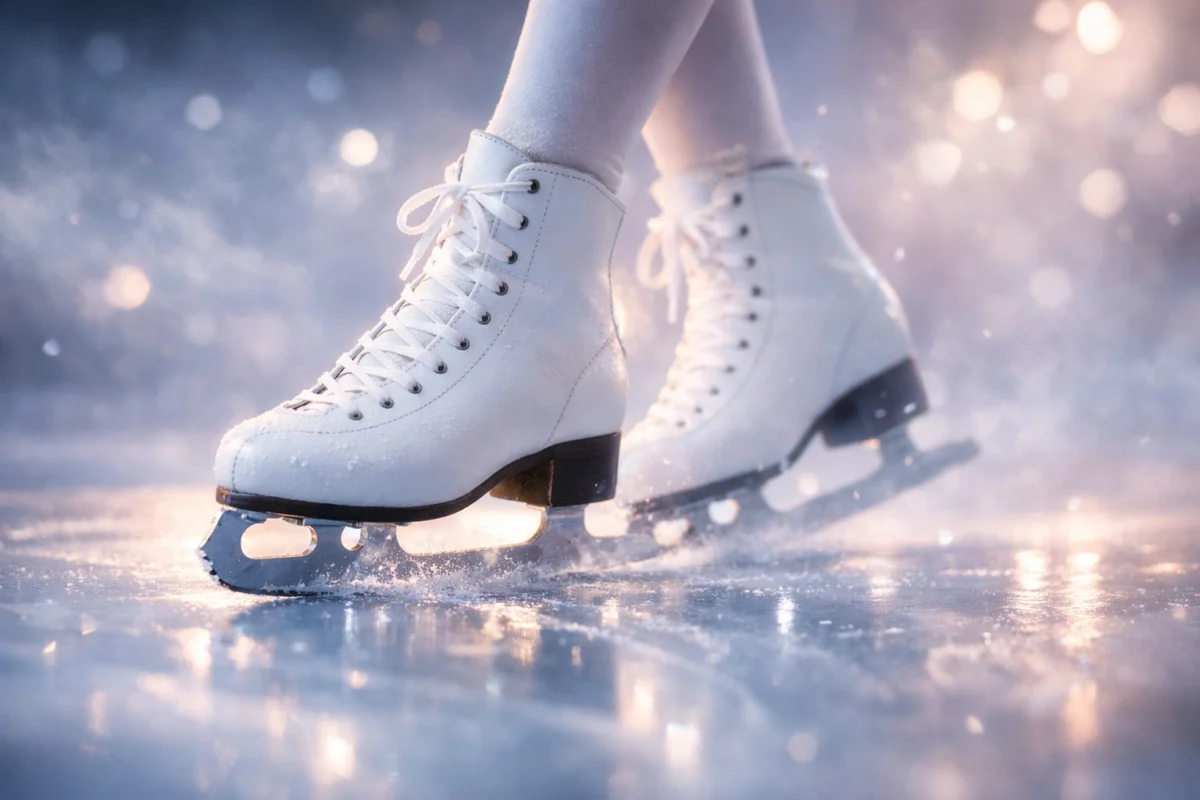
Ice Skating in a dream often symbolizes balance, control, grace under pressure, and how you move through uncertain conditions. Because skating happens on ice, the dream may point to situations that feel smooth, cold, risky, beautiful, or emotionally delicate.
- Ice Skating Dream Examples
- Ice Skating Dream Meaning: Good or Bad?
- Different Cultures, Different Meanings
- Psychological Perspectives
- Ice Skating Symbol Variations & Context Cues
- Related Symbols & Common Combinations
- What You Should Do If You Dream About Ice Skating
- Ice Skating Vs Similar Dreams
- Sources & Further Reading
- FAQ
This symbol is not a fixed prediction. It does not mean you will fail, succeed, fall in love, or face danger. It works better as a reusable dream image that reflects how you are handling movement, timing, confidence, and emotional surface tension.
To understand your Ice Skating dream, look at the condition of the ice, your skill level, who was with you, where you were skating, and whether you felt free, watched, rushed, or afraid. The same skating dream can feel elegant or nerve-racking, depending on the details.
Ice Skating Dream Examples
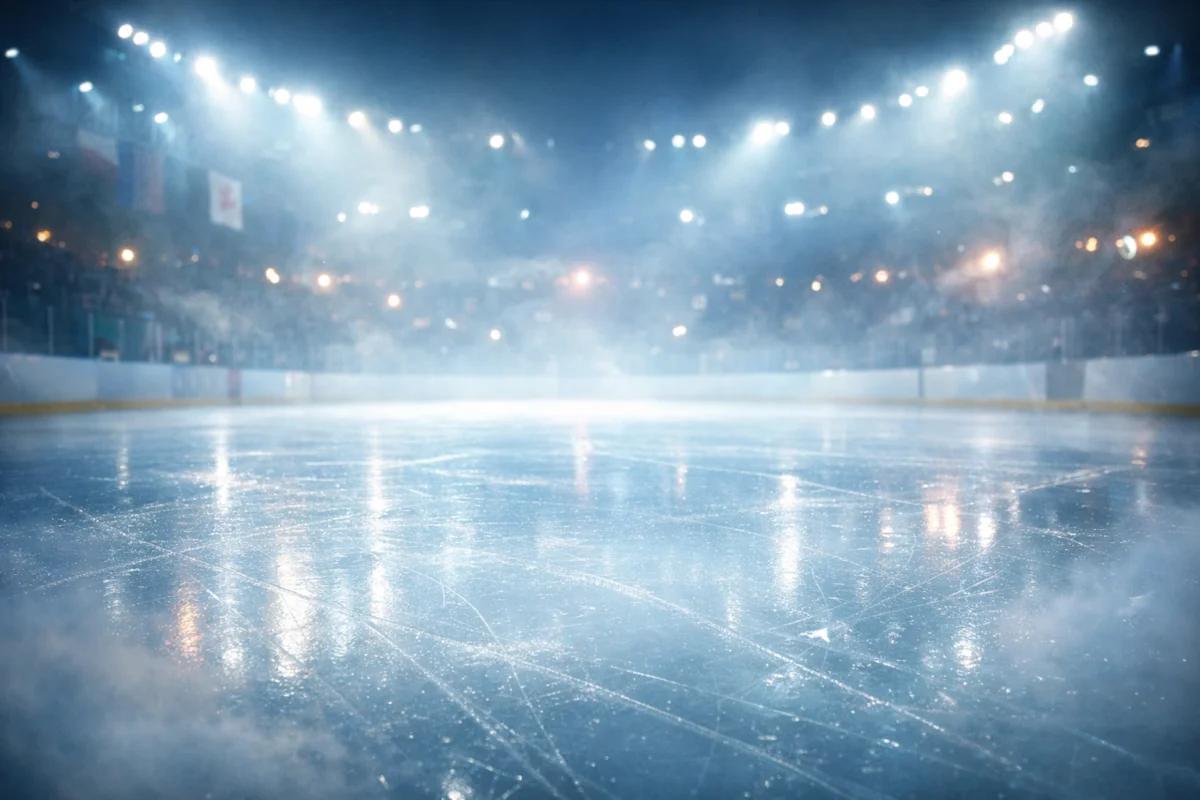
- You glide smoothly across a bright frozen rink and feel calm, light, and confident.
- You keep slipping on cracked ice and worry that the surface may break beneath you.
- You skate in circles alone on a quiet lake, unsure whether you feel peaceful or trapped.
- You hold someone’s hand while skating, but you cannot tell whether they are helping you or pulling you off balance.
- You skate inside a crowded indoor arena with lights, music, and people watching from the sides.
- You try to perform a jump, spin, or fast turn, but your skates feel heavy or poorly fitted.
Ice Skating Dream Meaning: Good or Bad?
An Ice Skating dream may feel positive when the ice is smooth, safe, and bright. This can suggest that you are moving through a sensitive situation with skill, patience, or growing confidence. The condition of the ice matters because it shows whether the ground beneath you feels stable or uncertain.
Your agency also changes the meaning. If you choose your speed, direction, and movements, the dream often points to self-control and adaptability. If you are pushed, rushed, or unable to stop, it may reflect pressure, hesitation, or a sense that events are moving faster than you want.
Relationships and social context add another layer. Skating with someone can suggest cooperation, comparison, dependence, or shared risk, while skating before a crowd may connect to performance pressure. Ice Skating is neither automatically good nor bad, but usually reflects how steady you feel while moving through a delicate situation.
Positive Interpretation
If you glide smoothly across a bright rink, the dream may show that you are handling a current task with more ease than before. The cause is your sense of rhythm and control in the dream, and the effect is a feeling that progress can happen without forcing every step.
If you skate calmly on a quiet lake, the dream can point to emotional self-containment. The frozen lake may symbolize feelings that are present but not flooding you. Because you can move across the surface, the dream may suggest that you are observing your emotions without being overwhelmed by them.
If you hold someone’s hand and feel supported, the dream may reflect trust, teamwork, or shared timing. The cause is coordinated movement, and the effect is a sense that another person helps you stay steady while you navigate uncertain ground.
If you perform a clean spin, jump, or turn, the dream may highlight skill developed through practice. This does not mean perfection is required. It may mean you are learning how to take a measured risk, adjust quickly, and still land on your feet. Dream skates are not known for giving performance reviews, thankfully.
Negative Interpretation
If you keep slipping on cracked ice, the dream may point to insecurity, unstable plans, or worry that a situation will not support your next move. The cracked surface matters more than the skating itself. It suggests that the problem may be the conditions around you, not only your ability.
If you skate in circles and cannot leave the ice, the dream may reflect repetition or emotional stuckness. The meaning is stronger if you felt bored, anxious, or trapped. If you felt peaceful, the same circular motion could simply suggest reflection, routine, or inner quiet.
If someone pulls you off balance while skating, the dream may suggest tension around influence, dependence, or uneven cooperation. This is not proof that the person is harmful in waking life. It only shows that, in the dream, their movement affected your stability.
If your skates feel heavy, broken, or badly fitted, the dream may point to tools, roles, or expectations that do not suit you well. The evidence is weaker if the rest of the dream felt playful or absurd. But if frustration was central, the dream can suggest that progress feels harder because your current method is not a good fit.
Different Cultures, Different Meanings
Modern sports and performance context: Ice skating is often connected with training, balance, precision, and public performance. If you follow skating, compete, or watch it often, your personal connection may matter more than any broad symbolic meaning.
Winter and seasonal context: In places where frozen lakes and winter sports are familiar, Ice Skating may feel nostalgic, social, or ordinary. In warmer places, it may feel unusual, artificial, or dreamlike. The meaning depends on your lived experience with ice and cold.
Emotional symbolism of ice: In many modern interpretations, ice can suggest emotional distance, stillness, caution, or preservation. This is a general symbolic association, not a universal rule. If ice feels beautiful or safe to you, the dream may lean toward clarity and calm instead.
Psychological Perspectives
From a symbolic or psychodynamic view, Ice Skating can represent movement across a controlled emotional surface. Freud might have looked for personal associations, while Jung might see the ice, rink, or lake as part of a wider inner landscape. In practical terms, ask what the skating surface and your movement style say about control, vulnerability, and expression.
From a cognitive or emotional-processing view, the dream may combine recent memories, body sensations, stress, and problem solving. A skating dream can appear when you are trying to stay flexible in a situation where one wrong move feels costly. The dream may be your mind rehearsing balance, timing, and adjustment.
From the continuity hypothesis, dreams often reflect waking concerns in symbolic form. From threat-simulation theory, associated with Antti Revonsuo, a dream about cracking ice, falling, or losing control may simulate risk so you can mentally practice response. This does not mean real danger is coming. It may simply show that your mind is working with uncertainty.
Ice Skating Symbol Variations & Context Cues
- Condition: Smooth ice may suggest flow and confidence, while cracked, melting, dirty, or dark ice may suggest unstable conditions, unclear feelings, or pressure around timing.
- Color/material: White ice can feel clean or exposed, blue ice may feel deep or emotional, black ice may suggest hidden risk, and metal skate blades can point to precision or sharp decisions.
- Number/scale: Skating alone may highlight independence or isolation, a pair may suggest cooperation, and a large crowd may point to comparison, performance, or social pressure.
- Movement/behavior: Gliding, spinning, racing, falling, stopping, or being unable to turn each changes the meaning. Notice whether you controlled the movement or reacted to it.
- Hidden/found/lost: Lost skates may suggest missing tools or readiness, found skates may suggest a new way forward, and hidden skates may point to unused skill or avoided movement.
- Location/social setting: A rink can suggest rules and structure, a frozen lake can suggest natural emotion, a competition arena can suggest evaluation, and skating with others can show shared timing.
Related Symbols & Common Combinations
- Ice: Ice adds themes of emotional distance, stillness, risk, preservation, or clarity, depending on whether it feels safe, beautiful, thin, or dangerous.
- Falling: Falling while skating can point to fear of losing control, embarrassment, or the need to accept a learning process rather than demand perfect balance.
- Winter: Winter may add themes of rest, delay, endurance, quiet, or seasonal change, especially if the dream landscape feels cold or still.
- Shoes: Skates are specialized shoes, so they can connect to readiness, direction, identity, movement, and whether your current tools fit the path you are on.
What You Should Do If You Dream About Ice Skating
Start with the condition of the ice. Write down whether it was smooth, cracked, melting, dark, bright, artificial, or natural. This clue often shows whether the dream is focused on your skill or on the reliability of the situation you are moving through.
Notice the color and material details. White ice, blue ice, metal blades, rented skates, broken laces, or fancy figure skates can all shift the meaning. Ask what felt sharp, cold, clean, fragile, polished, or uncomfortable in the dream.
Consider number and scale. Were you alone, paired, in a group, or surrounded by a crowd? A small private rink may suggest personal practice, while a huge arena may suggest visibility, pressure, or comparison. The size of the space often shows how big the issue feels.
Look at interaction. If someone helped you skate, pulled you, raced you, judged you, or copied you, the dream may be about shared timing and influence. Do not turn this into a final judgment about that person. Instead, ask how you felt around them in the dream.
Finally, connect the location to waking life. A frozen lake may suggest natural feelings held in place, while an indoor rink may suggest a controlled environment with rules. Use the dream as a reflection prompt: Where in your life are you trying to stay graceful, steady, or careful on uncertain ground?
Ice Skating Vs Similar Dreams
| Aspect | Ice Skating | Skiing | Roller Skating | Walking on Ice |
|---|---|---|---|---|
| Occasion/Age or Context | Often appears in dreams about balance, performance, winter settings, controlled movement, or emotional caution. | Often appears in dreams about speed, slopes, risk, direction, and moving with momentum. | Often appears in dreams about social fun, rhythm, childhood memory, public movement, or casual confidence. | Often appears in dreams about caution, survival, hesitation, or crossing an uncertain surface. |
| Core Theme | Grace and control on a delicate surface. | Momentum, descent, challenge, and steering through changing terrain. | Playful movement, social confidence, and balance in everyday settings. | Careful progress through unstable or emotionally cold conditions. |
| Typical Emotions | Calm, elegance, anxiety, pressure, freedom, or fear of falling. | Excitement, fear, thrill, urgency, or loss of control. | Joy, embarrassment, nostalgia, competition, or light nervousness. | Caution, tension, fear, patience, or relief after crossing safely. |
| Common Symbols | Skates, blades, rink, frozen lake, cracks, spins, crowd, music. | Snow, slope, poles, mountain, speed, trees, lift, falling. | Wheels, pavement, rink lights, music, friends, balance, turning. | Thin ice, boots, water below, cracks, cold air, slow steps. |
More in this category: Activities dreams.
Sources & Further Reading
- NINDS Brain Basics: Understanding Sleep Sleep science
- APA Dictionary of Psychology: Dream Analysis Psychology reference
- Dreaming and the Brain: From Phenomenology to Neurophysiology Research
- Sleep and Dreaming Are for Important Matters Research
- Sleep Foundation: Dreams Editorial background
- Sleep Health Foundation: Dreaming Sleep science