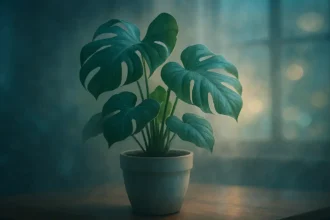


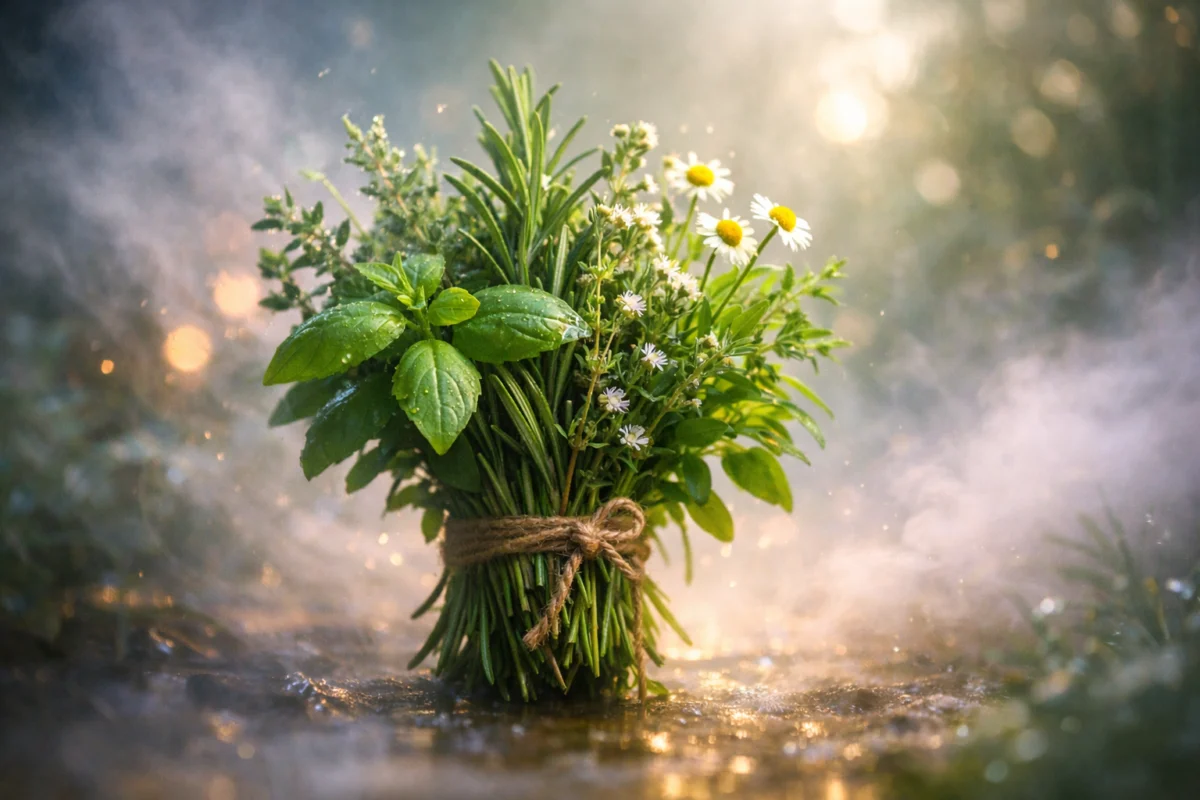
Herbs in a dream often symbolize care, repair, flavor, subtle influence, and the small things that change how life feels. Because herbs are usually used in small amounts, they can point to details you may be noticing, adding, avoiding, or trying to balance.
This symbol is not a fixed sign of healing, illness, luck, or a future event. Herbs can feel comforting, bitter, fragrant, wild, dried, fresh, hidden, or overused, and each cue changes the meaning.
In simple terms, dreaming of herbs may ask you to look at what you are adding to your life, what you are trying to soothe, and whether a small choice is having a larger emotional effect than expected.
Herbs Dream Examples
- You pick fresh green herbs from a sunny garden and feel calm, as if you have found exactly what you need.
- You find a jar of old dried herbs that smells stale, and you worry that you have kept something past its useful time.
- You sprinkle herbs into a meal but are unsure whether you added too much or too little.
- You give herbs to someone you care about, and they either accept them warmly or seem uncertain.
- You walk through a market, kitchen, or forest full of unfamiliar herbs and try to choose the right one.
- You grind, cut, brew, or mix herbs in a careful way, focusing on the process more than the final result.
Herbs Dream Meaning: Good or Bad?
The meaning depends strongly on the condition of the herbs. Fresh, bright, fragrant herbs often suggest renewal, gentle support, and useful attention to detail. Rotten, dusty, moldy, or overpowering herbs can point to something that no longer fits, or to a solution that may feel forced.
Your agency in the dream matters. Choosing, growing, cooking, or arranging herbs can suggest you are actively shaping your mood, habits, or environment. Being handed herbs, losing them, or being unable to identify them may show uncertainty about advice, influence, or the next small step.
Relationships and social context also matter. Sharing herbs can symbolize care, cooperation, or the wish to help, while arguing over herbs may show disagreement about what is useful, healthy, appropriate, or enough. Overall, an herbs dream is usually neutral to positive, but its meaning depends on freshness, use, and emotional tone.
Positive Interpretation
If you picked fresh green herbs in a sunny garden, the dream may reflect a growing sense of self-care and readiness. The cause is simple: the herbs appear alive, available, and chosen by you. The effect may be a feeling that small, steady choices can improve your emotional climate.
If you carefully mixed herbs into food, the dream can suggest thoughtful adjustment. You may be learning that not every problem needs a dramatic answer. A small change in routine, tone, timing, or communication may be enough to make something feel more balanced.
If you gave herbs to someone and they accepted them warmly, the dream may symbolize supportive connection. You may be offering help in a modest, respectful way rather than trying to control the outcome. The positive effect is a sense of mutual care without pressure.
If you walked through a market or garden of many herbs and felt curious, the dream can point to options. Different herbs may represent different tools, interests, habits, or perspectives. The dream may show that you do not need one perfect answer, only a better match for the moment.
Negative Interpretation
If the herbs were stale, dusty, or stored in an old jar, the dream may suggest that an old approach has lost its usefulness. This does not prove you are doing anything wrong. It simply may show that something once helpful now feels flat, automatic, or disconnected from your present needs.
If you added too many herbs to a meal and ruined the taste, the dream can symbolize overcorrection. You may be trying so hard to improve a situation that the effort becomes overwhelming. The evidence is stronger if the dream included stress, mess, or someone reacting badly to the flavor.
If someone forced you to take or use herbs, the dream may point to unwanted advice or pressure. Herbs are gentle symbols, but in this context they can still represent influence that does not feel chosen. If the person was unknown, the meaning may be more about general social pressure than one specific relationship.
If you searched for a particular herb and could not find it, the dream may reflect uncertainty about what kind of support or adjustment is needed. The dream does not mean help is unavailable. It may only show that your mind is sorting through choices, labels, or priorities and has not settled on one yet.
Different Cultures, Different Meanings
Food and household context: In many everyday settings, herbs are linked with cooking, care, hospitality, and flavor. In a dream, this can make herbs a symbol of how you prepare, improve, or personalize your daily life.
Gardening and nature context: If you grow herbs or spend time around plants, the dream may come from direct experience. Fresh herbs may simply reflect attention to growth, season, patience, and practical care rather than any hidden tradition.
Wellness and herbal traditions: Many traditions use herbs in wellness practices, but dream meaning should not be turned into medical guidance. Symbolically, herbs may represent your wish to soothe, restore, cleanse, or support yourself in a gentle way.
Personal associations: A certain herb may matter because of your own memory, recipe, scent, home, or relationship. Basil, mint, rosemary, thyme, cilantro, or sage can carry very different meanings depending on your life. Personal context matters more than broad claims.
Psychological Perspectives
From a symbolic or psychodynamic view, herbs may represent subtle forms of care, repair, or influence. A Freudian reading might focus on desire, comfort, and the body, while a Jungian view might see herbs as natural symbols of growth, wisdom, or integration. These are interpretive lenses, not proof.
From a cognitive or emotional-processing view, herbs may appear when your mind is sorting small choices and emotional details. Because herbs change taste, smell, and atmosphere, they can symbolize how minor adjustments affect your mood, relationships, or sense of control.
From the continuity hypothesis, dreams often continue waking concerns in symbolic form. If you are cooking, gardening, changing routines, receiving advice, or trying to improve your environment, herbs may reflect that continuity. In a threat-simulation view, spoiled or confusing herbs may let you rehearse caution, discernment, or decision-making.
Herbs Symbol Variations & Context Cues
- Condition: Fresh herbs may suggest active growth and useful support, while dried, wilted, moldy, or bitter herbs may point to delay, overuse, or something past its best moment.
- Color or material: Bright green herbs often feel lively and renewing. Brown, gray, blackened, or artificial-looking herbs can suggest uncertainty, exhaustion, or a solution that feels less natural.
- Number or scale: A pinch of herbs may symbolize a small adjustment. A huge pile, overflowing garden, or endless shelf of jars may show too many choices or an issue that feels more complex than expected.
- Movement or behavior: Herbs growing, spreading, blowing in the wind, falling, burning, or floating in water can show change, influence, release, loss, transformation, or emotional processing.
- Hidden, found, or lost: Finding herbs in a drawer, pocket, book, or garden may suggest rediscovering a useful resource. Losing herbs may point to forgetfulness, doubt, or not knowing what support you need.
- Location or social setting: Herbs in a kitchen may connect to daily care. Herbs in a garden may connect to growth. Herbs in a shop may connect to choice. Herbs in someone else’s hand may connect to advice or influence.
Related Symbols & Common Combinations
- Garden: Herbs in a garden can strengthen themes of growth, patience, cultivation, and tending to small but meaningful parts of life.
- Food: Herbs in food often point to adjustment, pleasure, nourishment, or the way small details change the whole experience.
- Tea: Herbs brewed as tea may symbolize reflection, slowing down, comfort, or the wish to process emotions gently.
- Medicine: Herbs used like medicine can symbolize repair, support, or the desire for a remedy, but it should not be read as a health prediction.
What You Should Do If You Dream About Herbs
Start with the condition of the herbs. Ask whether they were fresh, dried, fragrant, wilted, rotten, or unknown. This can help you see whether the dream points toward renewal, old habits, useful tools, or something that may need updating.
Notice color and material. Green living herbs may reflect growth or readiness, while faded or artificial herbs may suggest that something looks helpful but does not feel fully alive to you. If a scent stood out, write it down, because smell often carries strong personal memory.
Look at number and scale. One small sprig can point to a simple detail, while shelves of jars or a field of herbs can show many options. If the dream felt overwhelming, the message may be to choose one small action instead of trying to solve everything at once.
Review your interaction with the herbs. Picking, planting, cooking, grinding, brewing, buying, receiving, refusing, or losing herbs all suggest different forms of agency. The more active and calm you were, the more the dream may highlight your ability to adjust your life with care. Herbs are small, but they do like to be dramatic in soup.
Finally, place the herbs in their location and social context. A kitchen dream may relate to daily routines. A market may relate to choice. A garden may relate to growth. A stranger offering herbs may relate to outside influence, while sharing herbs with someone familiar may show care, boundaries, or cooperation.
Herbs Vs Similar Dreams
| Aspect | Herbs | Flowers | Vegetables | Medicine |
|---|---|---|---|---|
| Occasion/Age or Context | Often appears in cooking, gardens, markets, kitchens, jars, or small bundles. | Often appears in gardens, gifts, ceremonies, rooms, or emotional scenes. | Often appears in farms, kitchens, meals, markets, or practical daily settings. | Often appears in hospitals, bathrooms, cabinets, hands, or urgent decision scenes. |
| Core Theme | Subtle care, adjustment, flavor, support, and small influences. | Beauty, attention, emotion, appreciation, growth, or passing moments. | Nourishment, work, routine, practicality, health habits, or grounded needs. | Repair, intervention, relief, dependence, caution, or the search for a remedy. |
| Typical Emotions | Calm, curious, comforted, uncertain, careful, or mildly concerned. | Joyful, touched, nostalgic, admired, sad, or aware of change. | Practical, satisfied, busy, responsible, hungry, or concerned about resources. | Anxious, hopeful, relieved, cautious, resistant, or dependent on guidance. |
| Common Symbols | Fresh leaves, dried jars, tea, spice racks, gardens, bundles, scent, cooking. | Petals, bouquets, colors, thorns, vases, gardens, blooming, wilting. | Roots, baskets, soil, cutting boards, soup, harvest, markets, storage. | Pills, bottles, labels, doctors, prescriptions, doses, cabinets, treatment rooms. |
More in this category: Food dreams.
Sources & Further Reading
- NINDS Brain Basics: Understanding Sleep Sleep science
- APA Dictionary of Psychology: Dream Analysis Psychology reference
- Dreaming and the Brain: From Phenomenology to Neurophysiology Research
- Sleep and Dreaming Are for Important Matters Research
- Sleep Foundation: Dreams Editorial background
- Sleep Health Foundation: Dreaming Sleep science